

Water damage can strike fast. A burst pipe, heavy rain, or a leaking roof can flood your home before you know it.
If you are facing a soggy mess right now, do not panic. Acting quickly can save your property, prevent mold, and reduce costly repairs.
In this article, we will walk you through exactly what to do right after water damage, step by step. Let us dive in.
Understanding Water Damage

Before you grab the mop, it is important to understand what you are dealing with.
Common Causes of Water Damage
You might be surprised at how many things can cause water damage:
- Burst or leaking pipes
- Flooding from storms or hurricanes
- Overflowing toilets or tubs
- Leaky appliances such as dishwashers or washing machines
- Roof leaks
Types of Water Damage You Might Encounter
Water damage is usually classified into three categories:
- Clean Water – From a broken pipe or rain
- Grey Water – Slightly dirty water from washing machines or dishwashers
- Black Water – Highly contaminated water such as sewage or floodwaters
Why Immediate Action Matters
Time is critical. Water starts damaging floors, walls, and furniture within minutes. Within 24 to 48 hours, mold begins to grow.
The faster you act, the better your chances of minimizing permanent damage.
Safety Comes First
Before anything else, make sure you and your family are safe.
Turn Off Electricity
If water has reached any outlets or electrical appliances, turn off the power at the breaker box. Do not step into standing water if the power is still on.
Avoid Contaminated Water
Do not touch water that may be contaminated, including sewage or flood water. Wear gloves, boots, and even a mask if necessary.
Check for Structural Damage
If the ceiling is sagging or floors feel soft, leave the area immediately. It could collapse. In this case, it is best to wait for professionals.
Document the Damage
Once it is safe, start documenting everything for insurance purposes.
Take Photos and Videos
Photograph all affected areas and items. Take clear, high-resolution photos from multiple angles.
Make a Detailed List of Damaged Items
List the make, model, and estimated value of each damaged item. This will help speed up your insurance claim.
Contact Your Insurance Company
Let them know what has happened as soon as possible. Follow their instructions and submit your documentation. Some companies will send out an adjuster to assess the damage.
Stop the Source of Water
Before cleanup begins, you need to stop the flow of water.
Shut Off the Water Supply
If it is a plumbing issue, locate and shut off your main water valve.
Call a Professional Plumber if Needed
If you are unsure about the source or cannot stop the leak yourself, call a plumber right away.
Remove Excess Water
Now it is time to start cleaning.
Use a Wet Dry Vacuum or Buckets
Remove standing water with a wet dry shop vacuum, buckets, or towels. Work quickly but carefully.
Mop and Blot Where Necessary
Use towels and mops to dry smaller areas. Avoid pushing water into other rooms.
Start Drying Out the Area
Drying is just as important as removing water.
Use Fans and Dehumidifiers
Set up fans and dehumidifiers to keep air circulating and help dry everything faster.
Open Windows and Doors for Ventilation
Let the fresh air in. It speeds up drying and prevents musty odors.
Clean and Disinfect Everything
Moisture is mold’s best friend, so clean and disinfect fast.
Focus on Preventing Mold
Clean all affected surfaces with a disinfectant cleaner, especially in the first 48 hours.
Clean Non-porous Surfaces First
Start with hard surfaces such as tile, metal, or plastic. These can often be saved. Carpets, rugs, and drywall may need to be replaced if soaked.
Salvage What You Can
Not everything will be a total loss.
Separate Wet and Dry Items
Move dry items to a safe place. Keep wet items in a well-ventilated area to dry.
Store Belongings in a Dry Place
Move furniture, electronics, and personal belongings to an elevated, dry area to prevent further damage.
Check for Mold Growth
Mold can begin growing in less than two days.
Warning Signs of Mold
- Musty smell
- Visible fuzzy or slimy patches
- Discoloration on walls or furniture
When to Call in a Mold Remediation Expert
If you see or smell mold or suspect it, call in the professionals. Mold can spread fast and harm your health.
Call in the Water Damage Professionals
Sometimes, DIY just will not cut it.
Why Choose Pro Water Damage Miami
At Pro Water Damage Miami, we respond quickly and act fast to save your property. Our experts use industrial-grade equipment to remove water, dry out your home, and restore it like new.
Services We Offer
- 24/7 emergency water damage restoration
- Mold inspection and removal
- Structural drying
- Dehumidification
- Odor removal
- Sewage cleanup
Prevent Future Water Damage
Once you have cleaned up, let us keep it from happening again.
Regular Home Maintenance Tips
- Inspect your roof and plumbing regularly
- Clear gutters and downspouts
- Replace worn hoses and pipes
Install a Sump Pump or Water Leak Detectors
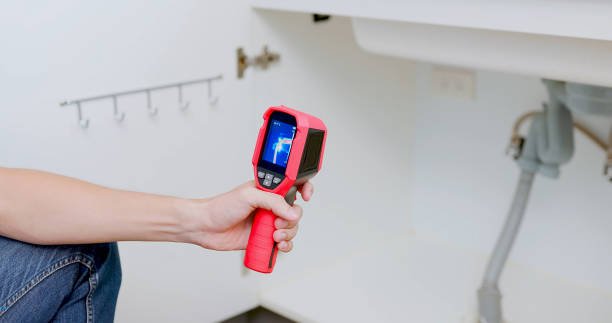
A sump pump can keep your basement dry. Smart water leak detectors alert you instantly to hidden leaks.
Final Thoughts
Water damage is stressful, but it does not have to be a total disaster. By acting fast, staying safe, and calling in the professionals when needed, you can save your home and your sanity.
The team at Pro Water Damage Miami is just one call away whenever water strikes. We have got your back.
FAQs
How soon should I act after water damage?
Immediately. The first 24 to 48 hours are crucial to prevent further damage and mold growth.
Is all water damage covered by insurance?
Not always. It depends on your policy. Flood damage often requires separate coverage.
Can I clean up water damage myself?
For small spills, yes. But for larger or contaminated areas, call in professionals like Pro Water Damage Miami.
How do I know if water damage is serious?
Signs include warped floors, moldy smells, stains on ceilings or walls, and soft drywall.
How can I contact Pro Water Damage Miami for emergency service?
Visit our website or call us directly for 24/7 emergency response.

Christopher Cannon: Damage Restoration Expert
Christopher Cannon is a licensed restoration specialist with more than 20 years of dedicated experience in property mitigation and disaster recovery. Known for his technical precision and authoritative industry knowledge, Christopher has spent two decades helping property owners navigate the aftermath of unforeseen damage.
𝗖𝗲𝗿𝘁𝗶𝗳𝗶𝗰𝗮𝘁𝗶𝗼𝗻𝘀: Christopher maintains a robust portfolio of IICRC certifications, including Water Damage Restoration (WRT), Mold Remediation, Applied Structural Drying (ASD), Odor Control, and Fire and Smoke Restoration. These credentials reflect his commitment to the highest safety and restoration standards.
𝗕𝗲𝘀𝘁 𝗣𝗮𝗿𝘁 𝗼𝗳 𝘁𝗵𝗲 𝗝𝗼𝗯: He finds the greatest satisfaction in being the “calm during the storm,” helping families feel secure as they watch their property return to a safe, healthy state.
𝗙𝗮𝘃𝗼𝗿𝗶𝘁𝗲 𝗣𝗮𝘀𝘁𝗶𝗺𝗲: An avid outdoorsman, Christopher enjoys mountain biking and spending quality time with his family.