HVAC Water Damage Restoration in Boca Raton, FL
Trusted by 150+ Homeowners
- Over 154 5-Star Reviews
- Free Estimates and Quotes
- 100% Satisfaction Guaranteed
- Child, Family & Pet Safe Steps
- 24-Hour Emergency Service
- Fully Licensed & Insured

When Your AC Leaks More Than Just Water
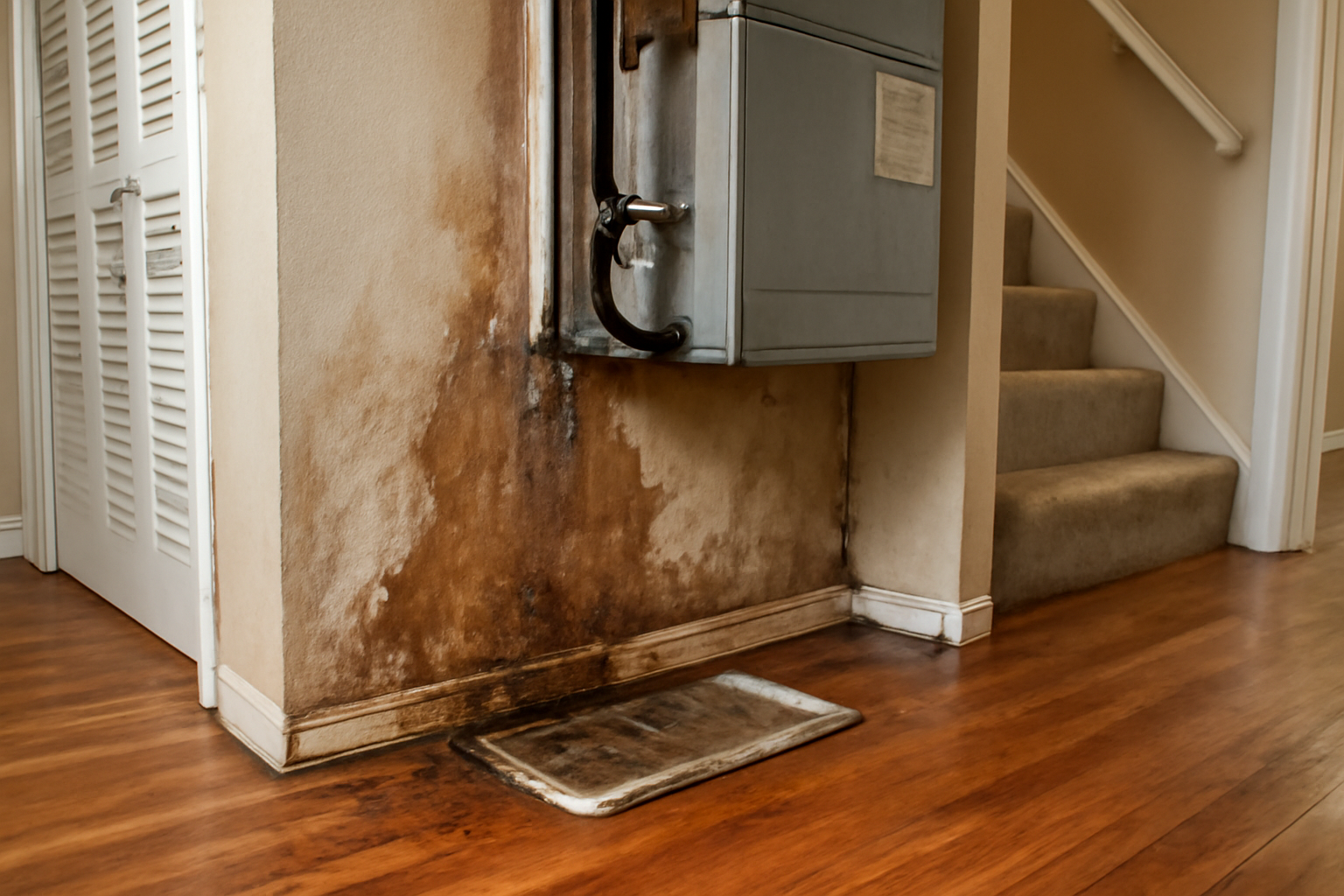
You walk into your home, and something’s not right. A faint, damp smell hangs in the air, and you trace it to your HVAC system. Water is pooling around the unit, or worse, dripping from vents, staining your ceiling. It’s not just a little drip; it’s a significant leak that’s clearly been happening for a while. This isn’t your typical plumbing issue; it’s water damage originating directly from your air conditioning system. You need a fast, effective response to prevent further damage to your home and the delicate components of your HVAC. Act quickly now to assess the situation and start the drying process. Prevent mold growth by addressing the moisture source immediately.
With over 165 five-star reviews from homeowners right here in the area, you can trust our team to handle this specific problem. We understand that water damage from an AC unit requires specialized attention. It’s not just about removing standing water; it’s about drying out the air handler, ductwork, and surrounding materials thoroughly. Local residents choose us because we focus on the technical details that make all the difference in a successful HVAC water damage restoration. We’re your neighbors, and we’re committed to restoring your home.
- We target the source of the leak within your HVAC system, preventing recurrence and stopping further water intrusion before it escalates.
- Our specialized equipment, like industrial-grade dehumidifiers and air movers, is designed to penetrate and dry the complex internal components of your AC unit and ductwork.
- We perform detailed moisture testing to ensure every hidden pocket of dampness is identified and eliminated, safeguarding against future mold and structural issues.
How We Tackle HVAC Water Damage
When your HVAC system decides to become a water feature, it’s a technical challenge. A proper restoration process for this type of damage is crucial. Simply mopping up visible water won’t cut it. You need a team that understands air handler corrosion, insulation saturation, and the potential for electrical hazards within the system. Ignoring these technical aspects can lead to persistent odors, unhealthy air quality, and costly long-term damage. Our process is meticulous because your home’s health depends on it. We focus on scientific drying methods to ensure your HVAC system and surrounding areas are restored correctly.
1. Immediate Water Extraction and Containment
The first step is always to remove any standing water. We use powerful truck-mounted extraction units to quickly pull water from the air handler, drip pan, and any affected areas around your unit. Simultaneously, we’ll set up containment barriers if needed to prevent water from spreading further into your home. This phase is about stopping the active leak and removing the bulk of the moisture. Fast water removal is key to minimizing damage.
2. System Assessment and Decontamination
Our certified technicians will carefully inspect your HVAC unit for the source of the leak. This could be a cracked drain pan, a clogged condensate line, or even a refrigerant leak causing freezing and subsequent water overflow. We’ll also assess any materials that have come into contact with the water and determine if they can be salvaged or need removal. If necessary, we’ll use EPA-approved antimicrobial treatments to disinfect affected areas, preventing the growth of mold and bacteria. Thorough system inspection is vital.
3. Advanced Structural Drying
This is where our technical expertise truly shines. We deploy specialized drying equipment, including high-velocity air movers and industrial dehumidifiers, strategically placed to dry out the air handler, ductwork, insulation, and any saturated building materials. We monitor humidity levels and material moisture content closely with advanced meters to ensure a complete and efficient drying process. This phase can take several days, depending on the extent of the saturation. Targeted drying techniques are essential.
4. Air Quality Control and Odor Removal
Water damage from HVAC systems often leaves behind a damp, musty smell. Once the drying process is complete, we focus on restoring healthy air quality. This may involve using specialized air scrubbers with HEPA filters and activated carbon to remove airborne contaminants and lingering odors. We want to ensure your home not only looks dry but smells and feels fresh again. Restoring air purity is our priority.
5. Reassembly and Final Inspection
After everything is thoroughly dry and deodorized, our team will carefully reassemble any components that were removed for drying. We’ll conduct a final inspection, taking moisture readings to confirm that all affected materials have returned to their normal moisture levels. Your satisfaction is our guarantee. We’ll make sure everything is back to its proper working order before we leave. Expert reassembly completes the job.
Don’t wait for that damp smell to turn into a mold problem. Call us immediately to begin the HVAC water damage restoration process. Get a fast response from our local technicians.
Warning Signs You Need HVAC Water Damage Restoration
Catching these signs early can save you a lot of money and prevent much larger, more complex problems down the line. Your HVAC system is designed to manage moisture, not create it. If you notice any of these indicators, it’s time to get it checked out by professionals who understand HVAC water damage. Ignoring them could lead to significant structural damage and unhealthy living conditions. Early detection is crucial.
Musty Odors That Won’t Go Away
This is often the first sign something is wrong. A persistent damp, mildewy smell, especially when your AC kicks on, indicates moisture is trapped somewhere within the system or in the surrounding insulation and drywall. It’s the smell of potential mold growth. Address odors promptly.
Visible Water Stains or Puddles
If you see water pooling around your indoor air handler unit, or notice new water stains on your ceiling or walls that seem to originate from a vent, it’s a clear sign of a leak. Don’t assume it will dry on its own; the source needs to be identified and repaired. Investigate water stains immediately.
Reduced Airflow or Strange Noises
Sometimes, a clogged condensate line or a failing component within the air handler can cause blockages or strain. This might manifest as weak airflow from your vents or unusual gurgling, dripping, or humming sounds coming from the unit itself. These are often precursors to a leak. Listen for unusual sounds.
High Humidity Levels Indoors
Is your home feeling unusually clammy or sticky, even with the AC running? A malfunctioning AC that’s leaking water might not be effectively dehumidifying the air. This persistent high humidity can lead to discomfort and promote mold growth on surfaces. Monitor indoor humidity.
Visible Mold or Mildew Growth
If you spot dark spots or fuzzy patches of mold around your vents, on the air handler itself, or on nearby surfaces, it’s a serious indicator of prolonged moisture exposure. This isn’t just an aesthetic issue; it’s a health hazard. Seek mold remediation if you see growth.
Ice Buildup on the Unit
Seeing ice on your AC unit, especially on the refrigerant lines or evaporator coil, is a strong sign of an underlying problem like a dirty filter, low refrigerant, or airflow restriction. When this ice melts, it can create a significant amount of water, overwhelming the drain system and causing leaks. Inspect for ice during cooler months.
HVAC Water Damage Restoration vs. DIY: When To Call a Professional
| Situation | DIY? | Call a Pro? | Why |
|---|---|---|---|
| Discovering a small drip from the AC unit’s drain pan | Yes, if you can easily access it and it’s a minor overflow. | Yes, if the drip is consistent or you can’t find the cause. | DIY is fine for a quick fix, but persistent drips signal a deeper issue requiring professional diagnosis. |
| Standing water around the indoor air handler | No. | Yes, immediately. | Standing water indicates a significant leak that can damage flooring, subflooring, and drywall, requiring specialized drying. |
| Musty smells after AC use | No. | Yes, promptly. | Odors suggest hidden moisture and potential mold growth within the unit or ductwork, which needs professional remediation. |
| Water stains on ceilings or walls near vents | No. | Yes, immediately. | Ceiling stains mean water has saturated insulation and drywall, requiring professional assessment for structural integrity and drying. |
| Minor condensation on external AC lines in humid weather | Yes, this is normal. | No, unless accompanied by other symptoms. | Normal condensation is part of the AC process; abnormal leaks require a technician’s attention. |
| Complete system shutdown with water pooling | Absolutely not. | Yes, call immediately. | This indicates a major failure and potential electrical hazards; professional intervention is critical for safety and proper restoration. |
While some minor AC condensation is normal, any situation involving standing water, persistent odors, or visible damage to your home’s structure demands professional attention. Our team has the specialized equipment and training to handle the complexities of HVAC water damage. Don’t risk further damage by attempting extensive DIY repairs. Trust our experienced technicians for a thorough and effective restoration.
HVAC Water Damage Restoration Cost In Boca Raton, FL
The cost for HVAC water damage restoration in Boca Raton, FL, varies based on how extensive the damage is, the size of the affected area, and the specific components of your HVAC system that are impacted. These figures are estimates, and an on-site assessment is always needed for an accurate quote. We provide transparent pricing.
| Service Aspect | Typical Price Range | What Affects Cost |
|---|---|---|
| Initial Inspection and Water Extraction | $500 – $1,500 | The volume of water and accessibility of the unit. |
| HVAC System Decontamination and Cleaning | $400 – $1,200 | The size of the unit and the extent of contamination. |
| Ductwork Drying and Cleaning | $800 – $3,000+ | The length and complexity of the duct system, and the level of saturation. |
| Structural Drying (affected rooms/areas) | $1,000 – $5,000+ | The square footage affected and the type of materials needing drying (e.g., drywall, insulation, flooring). |
| Mold Testing and Remediation (if needed) | $500 – $4,000+ | The severity and location of mold growth. |
| Odor Removal Services | $300 – $1,000 | The intensity of the odor and the methods required. |
Exact pricing will depend on a detailed assessment of your unique situation. We offer free estimates to help you understand the scope of work and associated costs. Get a free estimate today. We’re ready to help.
Service Areas Near Boca Raton, FL
Boca Raton, FL, Highland Beach, Delray Beach, Deerfield Beach, Lighthouse Point, Pompano Beach, Fort Lauderdale, Lauderdale-by-the-Sea, Hillsboro Beach, Coconut Creek, Coral Springs, Parkland, Boca Pointe, Mission Bay, Hamptons, Mizner Village, East Boca, West Boca, Mizner Country Club, Addison Mizner.
Common Questions About HVAC Water Damage Restoration
My AC is leaking water, what should I do first?
The very first thing you should do is turn off your AC unit at the thermostat to stop the flow of water. If it’s safe to do so, also shut off the power to the unit at the breaker box. Then, assess the amount of water. For any significant amount of water or if you suspect damage to your home’s structure, call our team immediately. We’ll guide you through the next steps and dispatch technicians quickly.
How long does HVAC water damage restoration take?
The timeline for HVAC water damage restoration can vary significantly. Simple leaks might be resolved within a day or two, focusing mainly on drying the unit itself. However, if water has saturated insulation, drywall, or ductwork, the drying process alone can take three to five days, sometimes longer. Our goal is to restore your home safely and effectively, so we don’t cut corners on drying time.
Is water from my AC dangerous?
Yes, water from your AC can be dangerous. It can contain dust, mold spores, bacteria, and other contaminants that have accumulated inside the unit and ductwork. Prolonged exposure to this water can lead to health issues and can cause significant structural damage to your home, including mold growth and compromised building materials. Professional assessment is vital to ensure your home is safe and healthy.
What kind of equipment do you use for drying HVAC systems and ductwork?
We utilize advanced drying equipment specifically designed for complex systems like HVAC units and ductwork. This includes high-velocity air movers to create airflow within confined spaces, industrial-grade dehumidifiers to pull moisture from the air and materials, and specialized moisture meters to track drying progress. Our technology ensures thorough drying, preventing secondary damage like mold.
Can I prevent water damage from my HVAC system?
Yes, you can significantly reduce the risk of HVAC water damage with regular maintenance. This includes scheduling annual check-ups for your system, ensuring the condensate drain line is clear and functioning properly, changing air filters regularly, and having any refrigerant leaks repaired promptly. Proactive maintenance is the best way to avoid costly repairs and water damage.
Check Our Other Relevant Services
- Frozen Pipe Water Damage Restoration in Boca Raton, FL
- Attic Water Damage Restoration in Boca Raton, FL
Serving Boca Raton, FL And Nearby Areas