Trusted by 150+ Homeowners
Thermal Imaging Leak Detection in Pinecrest, FL
- Over 154 5-Star Reviews
- Free Estimates and Quotes
- 100% Satisfaction Guaranteed
- Child, Family & Pet Safe Steps
- 24-Hour Emergency Service
- Fully Licensed & Insured

Unmasking Hidden Water Damage With Thermal Imaging in Pinecrest, FL
You walk into your kitchen, and there it is. A strange discoloration on the ceiling, or maybe a faint, damp smell that just won’t disappear. You press on the wall, and it feels soft, spongy. You’re probably thinking, “Where is this water coming from?” It’s a frustrating feeling, especially when you can’t see the source of the problem. That’s where our specialized thermal imaging leak detection service comes in. We help you find those hidden moisture issues before they cause serious damage to your property. This technology is crucial for understanding the extent of water intrusion and ensuring a complete drying process.
We’ve helped hundreds of homeowners in your neighborhood deal with these frustrating hidden leaks. Our 165+ five-star reviews speak to our commitment to providing accurate and reliable thermal imaging services. When you need to know exactly where the water is hiding, you want a team that uses the latest technology and follows a proven, methodical approach. We’re known for our precise moisture detection and getting to the root of the problem, fast.
- Pinpoint hidden moisture without destructive guesswork, saving your walls and ceilings from unnecessary demolition.
- Identify the exact path of water intrusion, ensuring all affected areas are addressed for a thorough drying and restoration.
- Prevent long-term issues like mold growth and structural compromise by detecting leaks early, protecting your investment.
How Our Thermal Imaging Leak Detection Process Works
When you suspect a hidden leak, a quick inspection isn’t enough. You need to understand the science behind how water travels and where it settles. Our team employs a rigorous process for thermal imaging leak detection, ensuring we don’t miss a single drop. Cutting corners here can lead to recurring problems and much higher costs down the line, so we take every step seriously. We focus on accurate temperature differentials and moisture mapping to give you a clear picture of the situation.
Initial Site Assessment
Our technicians begin by performing a thorough visual inspection of the visible areas. We’ll ask you about any concerns you have, like strange smells or damp spots. This initial phase helps us understand the potential scope and guides where we’ll focus our thermal imaging equipment. This typically takes about 30 minutes, depending on the size of your home.
Thermal Imaging Scan
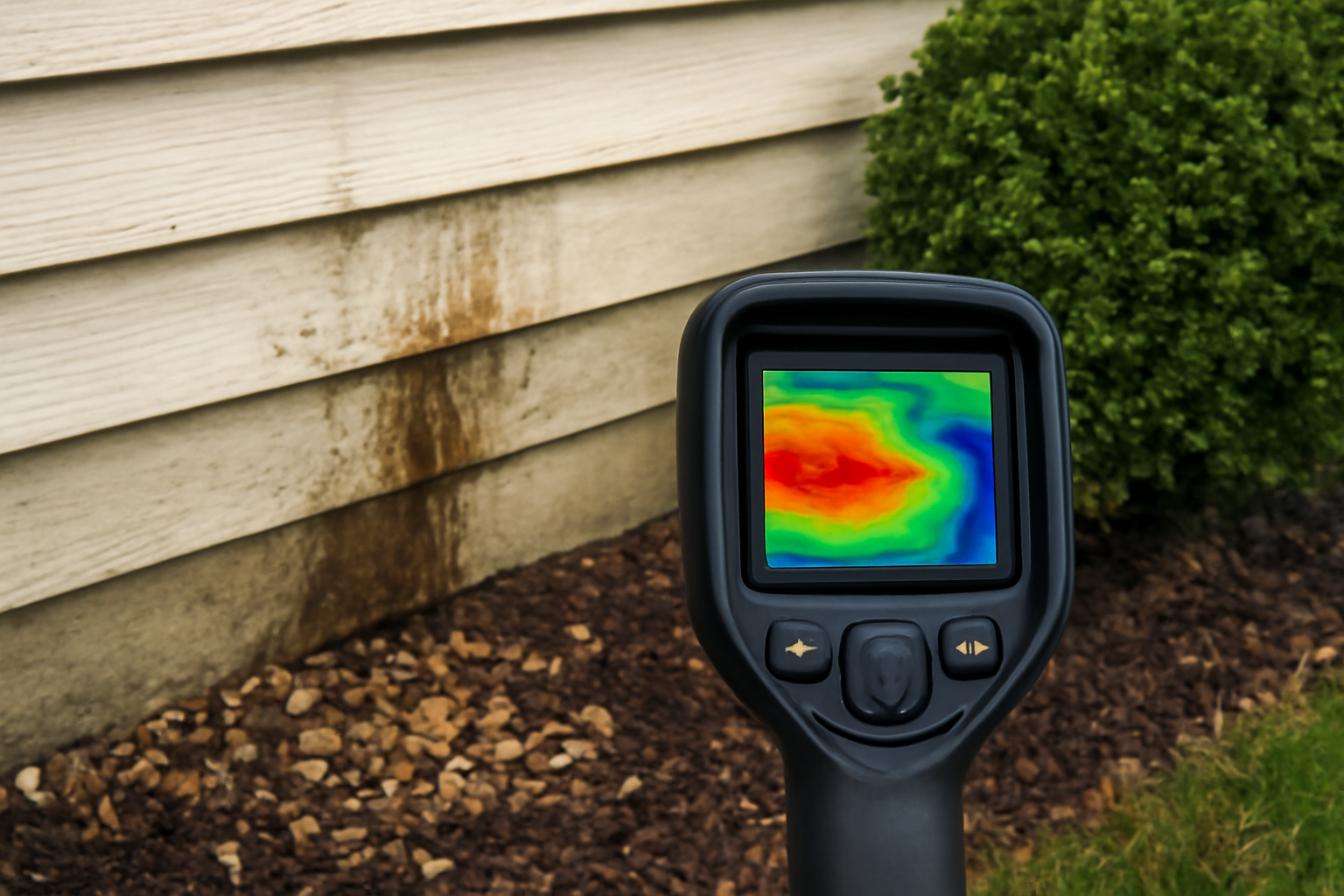
Using advanced infrared cameras, we scan your walls, ceilings, and floors. These cameras detect temperature differences, which are often caused by moisture. Cooler areas on the thermal image usually indicate trapped water. This scan is non-invasive and allows us to visualize moisture patterns without tearing into your property. A comprehensive scan can take anywhere from 1 to 4 hours.
Moisture Meter Readings
While thermal imaging gives us a visual map, moisture meters provide precise readings. We use specialized meters to confirm the moisture content in materials like drywall, wood, and insulation. This data-driven approach helps us accurately determine the severity of the water intrusion. We take multiple readings throughout the affected areas, usually within 1-2 hours.
Water Source Identification
Based on the thermal images and moisture readings, we can often pinpoint the exact source of the leak. Whether it’s a plumbing issue, roof leak, or HVAC problem, we’ll identify it. Understanding the origin is key to preventing future occurrences. This identification process is usually integrated into the scanning and metering phases.
Detailed Reporting
Once our assessment is complete, we provide you with a clear, easy-to-understand report. This report includes thermal images, moisture readings, and our findings on the leak’s source and extent. This documentation is crucial for insurance claims and for planning the necessary repairs. We aim to deliver this report within 24 hours of the assessment.
Don’t let hidden water damage ruin your home. Call us now for a fast, accurate assessment. We’ll find the leak so you can fix it and move on.
Warning Signs You Need Thermal Imaging Leak Detection
Ignoring early signs of water intrusion can lead to significant structural damage, costly repairs, and potential health hazards. Catching these issues early with professional thermal imaging is your best defense. It’s far better to invest in a thorough inspection now than to face extensive mold remediation or structural repairs later. We help you see what’s normally invisible, preventing bigger problems.
Discolored Walls or Ceilings
You might notice brown or yellow stains appearing on your walls or ceilings. These aren’t just cosmetic; they’re often a clear sign that water is seeping through the materials. This indicates active water damage and requires immediate attention.
Peeling or Bubbling Paint/Wallpaper
When paint or wallpaper starts to lift or bubble away from the surface, it’s a strong indicator of moisture trapped underneath. The water is compromising the adhesive and the material itself. This is a visual cue of moisture intrusion.
Soft or Spongy Floors
If your floors, particularly wood or laminate, feel soft, springy, or spongy when you walk on them, there’s likely water accumulating beneath the surface. This can happen from leaks in plumbing or even from spills that didn’t dry properly. Underlying structural damage is a serious concern here.
Musty Odors That Won’t Go Away
A persistent damp, musty smell, especially in specific rooms or areas, is a classic sign of hidden moisture and potential mold growth. Even if you can’t see the leak, the odor tells you something is wrong. This smell often signifies developing mold colonies.
Warped Baseboards or Trim
Water that gets behind baseboards or trim can cause the wood to swell and warp. You might notice gaps between the trim and the wall or floor, or the trim itself might look bowed. This is a direct result of moisture exposure.
Increased Humidity Levels
If you notice your home feels unusually humid, even when the air conditioning is running, it could be due to an undetected water leak contributing to the moisture in the air. This creates a breeding ground for mold and mildew.
Thermal Imaging Leak Detection vs. DIY: When To Call a Professional
| Situation | DIY? | Call a Pro? | Why |
|---|---|---|---|
| Suspected leak behind a wall, no visible damage | No | Yes | DIY methods can’t see through walls; professional thermal imaging reveals hidden moisture without destruction. |
| Slight discoloration on a ceiling tile in a finished basement | Maybe | Yes | While you might see it, a pro can confirm if it’s just a cosmetic issue or a sign of a larger problem. |
| Musty smell in a specific room, but no visible signs | No | Yes | The smell indicates hidden moisture, which thermal imaging is designed to locate accurately. |
| Water pooling around a toilet base | Yes, initially | Yes, if it persists | You can see and clean up standing water, but you need a pro to find the leak source and check for sub-floor damage. |
| Damp spots appearing after heavy rain | Maybe | Yes | You can identify the general area, but a pro can use thermal imaging to map the exact extent of water penetration in the roof or walls. |
| Concern about mold growth after a known leak | No | Yes | Detecting and quantifying mold requires specialized equipment and expertise beyond DIY capabilities. |
While some minor water issues might be visible, the real danger often lies behind your walls and under your floors. For any suspected hidden leak, especially those causing persistent odors or discoloration, professional thermal imaging is invaluable. It’s the fastest way to get accurate data and avoid costly mistakes.
Thermal Imaging Leak Detection Cost In Pinecrest, FL
The cost for thermal imaging leak detection in Pinecrest, FL, can vary. Factors like the size of your property, the complexity of the suspected leak, and the extent of the affected areas all play a role. These price ranges are estimates to give you a general idea. We always provide a clear, upfront estimate after an on-site assessment.
| Service | Typical Price Range | What Affects Cost |
|---|---|---|
| Standard Thermal Imaging Assessment (1-2 rooms) | $300 – $700 | Complexity of the area, accessibility of walls/ceilings. |
| Whole-Home Thermal Imaging Scan | $600 – $1,500 | Square footage of the home, number of stories, accessibility. |
| Detailed Moisture Metering & Mapping | $200 – $500 (added to scan) | Number of readings taken, materials being tested. |
| Leak Source Identification Report | $150 – $300 (add-on) | Detailed analysis required to pinpoint the origin. |
| Emergency Thermal Imaging Service | $750 – $2,000+ | After-hours, weekend, or holiday call-outs, immediate response needs. |
| Follow-up Thermal Imaging (post-repair verification) | $250 – $600 | Ensuring all moisture has been successfully removed. |
Understanding the potential costs upfront helps you make informed decisions. We offer free, no-obligation estimates so you know exactly what to expect before any work begins.
Service Areas Near Pinecrest, FL
Palmetto Bay, Coral Gables, South Miami, Kendall, Miami, Cutler Bay, Doral, Hialeah, Homestead, Aventura, Sunny Isles Beach, North Miami Beach, Miami Gardens, Hallandale Beach, Fort Lauderdale, Pembroke Pines, Miramar, Weston, Sunrise, Davie.
Common Questions About Thermal Imaging Leak Detection
What is thermal imaging leak detection and how does it work?
Thermal imaging leak detection uses an infrared camera to visualize temperature differences on surfaces. Moisture absorbs and releases heat differently than dry materials, creating cooler spots on the camera’s display. Our technicians use this technology to map hidden water intrusion within your walls, ceilings, and floors without causing damage. It’s a non-invasive way to find leaks that are otherwise invisible.
How quickly can you detect a leak using thermal imaging?
A standard thermal imaging assessment can often be completed within a few hours, depending on the size of the area and the complexity of the issue. We aim for rapid detection to minimize potential damage. Once we’ve scanned the area and taken moisture readings, we can usually provide an initial assessment of the leak’s presence and extent relatively quickly.
Will insurance cover the cost of thermal imaging leak detection?
In many cases, insurance policies will cover the cost of leak detection if it’s part of a larger water damage claim. It’s always best to check your specific policy details. We provide detailed reports and documentation that can assist you in filing a claim. Our goal is to help you navigate the process smoothly.
Is thermal imaging the only tool you use to find leaks?
No, thermal imaging is a powerful tool, but it’s part of a comprehensive approach. We also use specialized moisture meters to get precise readings and confirm what the thermal camera suggests. Sometimes, acoustic leak detectors or other methods might be employed depending on the situation. We use a combination of advanced tools for the most accurate results.
What should I do if I suspect a leak but don’t see any visible signs?
If you notice persistent musty odors, unexplained high humidity, or discoloration that seems to be spreading, it’s crucial to act fast. Don’t wait for visible damage to appear. Contact us immediately for a thermal imaging assessment to identify the hidden moisture source before it causes more significant problems. Early detection is key to preventing costly repairs.
Check Our Other Relevant Services

Christopher Cannon: Damage Restoration Expert
Christopher Cannon is a licensed restoration specialist with more than 20 years of dedicated experience in property mitigation and disaster recovery. Known for his technical precision and authoritative industry knowledge, Christopher has spent two decades helping property owners navigate the aftermath of unforeseen damage.
𝗖𝗲𝗿𝘁𝗶𝗳𝗶𝗰𝗮𝘁𝗶𝗼𝗻𝘀: Christopher maintains a robust portfolio of IICRC certifications, including Water Damage Restoration (WRT), Mold Remediation, Applied Structural Drying (ASD), Odor Control, and Fire and Smoke Restoration. These credentials reflect his commitment to the highest safety and restoration standards.
𝗕𝗲𝘀𝘁 𝗣𝗮𝗿𝘁 𝗼𝗳 𝘁𝗵𝗲 𝗝𝗼𝗯: He finds the greatest satisfaction in being the “calm during the storm,” helping families feel secure as they watch their property return to a safe, healthy state.
𝗙𝗮𝘃𝗼𝗿𝗶𝘁𝗲 𝗣𝗮𝘀𝘁𝗶𝗺𝗲: An avid outdoorsman, Christopher enjoys mountain biking and spending quality time with his family.