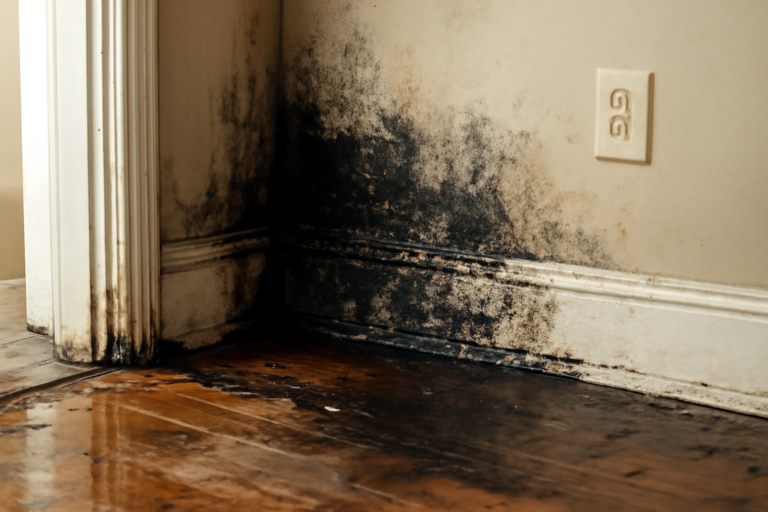
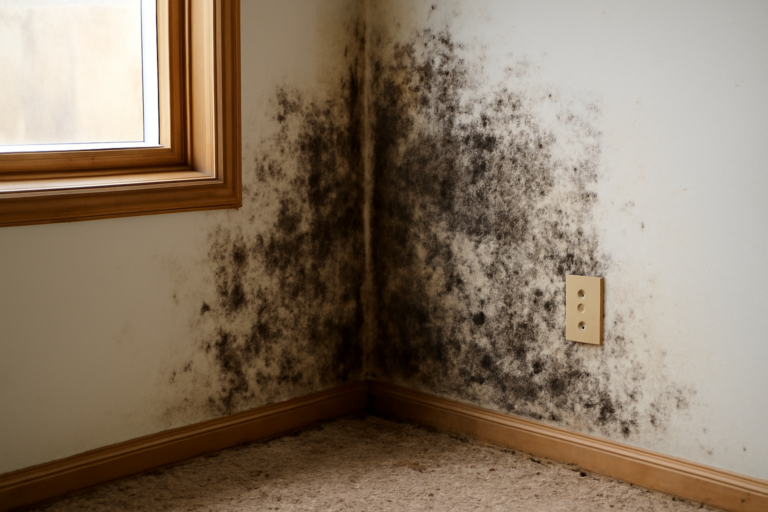
Thermal Imaging Leak Detection in Miramar, FL
Trusted by 150+ Homeowners
- Over 154 5-Star Reviews
- Free Estimates and Quotes
- 100% Satisfaction Guaranteed
- Child, Family & Pet Safe Steps
- 24-Hour Emergency Service
- Fully Licensed & Insured

See the Unseen: Thermal Imaging Leak Detection in Miramar, FL
Here in Miramar, FL, we know how quickly the subtropical humidity can turn into a real problem, especially after a heavy rain or when that air conditioner works overtime. That constant moisture can create hidden leaks behind your walls or under your floors. Ignoring these sneaky water intrusions can lead to serious damage, mold growth, and costly repairs down the line. That’s why using advanced tools like thermal imaging is so important for protecting your home.
Homeowners across the area trust our team for this specialized service because we get to the root of the problem without causing unnecessary destruction. With over 165 five-star reviews from your neighbors, you can see that we deliver reliable results. We understand the unique challenges our local climate presents, and our focus is always on finding leaks quickly and accurately.
- Our thermal imaging technology allows us to see temperature differences invisible to the naked eye, pinpointing moisture hidden deep within your walls, ceilings, and floors.
- This non-invasive method means we find leaks without having to tear apart your home, saving you time, money, and the headache of extensive reconstruction.
- By detecting leaks early, we help you prevent long-term issues like structural damage, mold infestations, and compromised indoor air quality, keeping your family healthy.
How Our Thermal Imaging Leak Detection Process Works
When you suspect a leak, the worst thing you can do is guess where it’s coming from. A proper investigation is key. Our team follows a meticulous process to ensure we identify the exact source of water intrusion, because accurate diagnosis prevents wasted effort. If a less thorough approach is taken, you might end up with unnecessary demolition or worse, the leak might be missed entirely, leading to continued damage and escalating repair bills.
Initial Assessment and Preparation
We’ll start by talking with you to understand what you’ve observed and any symptoms you’ve noticed. Then, our technicians will begin a visual inspection of the area, looking for obvious signs of water damage. This initial step helps us focus our thermal scan effectively.
Thermal Imaging Scan
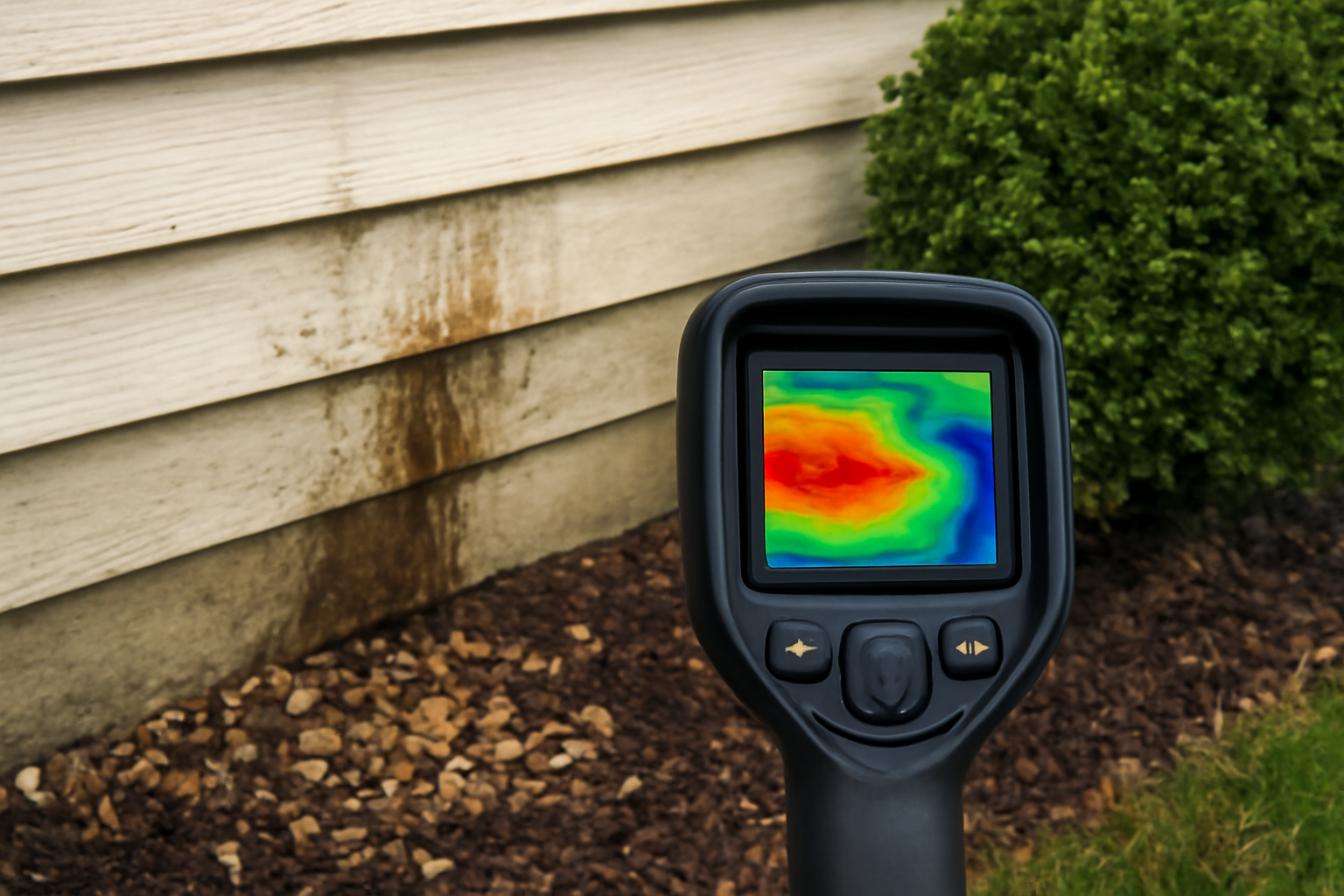
This is where the magic happens. Using specialized infrared cameras, we scan your walls, ceilings, and floors. These cameras detect temperature variations, which are often caused by moisture. We’re looking for cold spots that indicate trapped water, even if it’s not yet visible. This scan typically takes about 30-60 minutes per affected area.
Moisture Meter Readings
To confirm what the thermal camera shows, we use calibrated moisture meters. These tools give us precise readings of the water content in building materials. This step provides concrete evidence of moisture and helps us map out the full extent of the affected zone.
Detailed Reporting
Once we’ve gathered all the data, we’ll provide you with a clear, detailed report. This report includes thermal images, moisture meter readings, and our findings on the exact location and severity of the leak. You’ll understand precisely what needs to be done.
Don’t let hidden water cause unseen damage. Schedule your thermal imaging assessment today and get the clarity you need to protect your property.
Warning Signs You Need Thermal Imaging Leak Detection
Catching a leak early is crucial for minimizing damage and preventing costly repairs. Your home might be trying to tell you something’s wrong long before you see a big water stain. Paying attention to subtle clues can save you a lot of trouble and expense.
Musty Odors That Won’t Go Away
If you notice a persistent damp, earthy smell, especially in specific rooms or areas, it’s a strong indicator of hidden moisture. Mold thrives in damp environments, and that smell is often its calling card.
Unexplained High Water Bills
A sudden, unexplained spike in your water bill can mean you have a leak somewhere that’s constantly dripping or running. This is a costly symptom that needs immediate investigation.
Discolored Walls or Ceilings
Water stains, dark spots, or peeling paint on your walls or ceilings are obvious signs of water intrusion. However, the damage behind the surface might be much larger than what you can see. These visual cues demand attention.
Warped or Soft Flooring
If your hardwood floors are starting to buckle, or your carpet feels spongy underfoot, moisture is likely present beneath the surface. This indicates significant water saturation that needs professional assessment.
Condensation on Windows or Pipes
Excessive condensation, especially in areas where it shouldn’t be, can be a sign of high humidity or a hidden leak. It’s a subtle indicator that something isn’t right with your home’s moisture levels.
Thermal Imaging Leak Detection vs. DIY: When To Call a Professional
| Situation | DIY? | Call a Pro? | Why |
|---|---|---|---|
| Suspected leak behind a wall with no visible signs. | No | Yes | DIY methods can’t see through walls; thermal imaging is essential. |
| Notice a small, localized water stain on the ceiling. | Maybe | Yes | A pro can confirm the extent of hidden damage and find the source quickly. |
| High water bill with no obvious source. | No | Yes | Leaks causing high bills are often hidden and require specialized detection. |
| Musty smell in a specific room. | Maybe | Yes | The smell might be mold from a leak you can’t see or reach. |
| Damp spots on the floor after heavy rain. | Maybe | Yes | Could be a foundation issue or a pipe leak; a pro can differentiate. |
| Routine maintenance checks of visible pipes. | Yes | No | Simple visual checks are fine for accessible areas. |
While you can certainly look for obvious signs yourself, when it comes to accurately pinpointing hidden leaks, professional thermal imaging is invaluable. It takes specialized equipment and training to interpret the readings correctly and ensure complete detection.
Thermal Imaging Leak Detection Cost In Miramar, FL
The cost for thermal imaging leak detection in Miramar, FL, can vary depending on several factors, including the size of your property, the complexity of the suspected leak, and the accessibility of the affected areas. These are estimates and a precise quote requires an on-site assessment.
| Service Aspect | Typical Price Range | What Affects Cost |
|---|---|---|
| Standard Home Thermal Scan (up to 1000 sq ft) | $400 – $800 | Home size and number of areas needing inspection. |
| Expanded Home Thermal Scan (1000 – 2500 sq ft) | $700 – $1,500 | Larger properties require more time and equipment use. |
| Complex Leak Investigation (e.g., multiple suspected sources) | $900 – $2,000+ | Multiple leaks or difficult-to-access areas increase time and expertise needed. |
| Post-Leak Verification Scan | $250 – $500 | Confirming a repaired leak has been fully addressed. |
| Commercial Property Thermal Scan | $800 – $2,500+ | Commercial buildings are larger and more complex to scan thoroughly. |
| Emergency Service Call (after hours/weekends) | +$200 – $500 (on top of service cost) | Urgent needs often incur additional fees for immediate dispatch. |
These prices reflect the specialized equipment and expertise involved in accurately finding hidden water damage. Getting a free estimate is the best way to understand the exact cost for your specific situation.
Service Areas Near Miramar, FL
Pembroke Pines, Hollywood, Miramar, Davie, Cooper City, Weston, Southwest Ranches, Plantation, Lauderhill, Sunrise, Fort Lauderdale, Pompano Beach, Deerfield Beach, Coral Springs, Parkland, Boca Raton, Highland Beach, Delray Beach, Boynton Beach, Lantana.
Common Questions About Thermal Imaging Leak Detection
What is thermal imaging, and how does it find leaks?
Thermal imaging uses a special camera that detects infrared radiation, which we see as heat. Water, especially when it’s cooler than the surrounding materials, shows up as a different temperature on the camera’s display. Our trained technicians can interpret these temperature differences to locate moisture hidden within walls, ceilings, or floors, even when it’s not visible to the eye.
How much does thermal imaging leak detection cost?
The cost can vary, typically ranging from $400 to $1,500 or more depending on the size of your property and the complexity of the suspected leak. Factors like home size, the number of areas needing inspection, and whether the leak is complex or requires emergency service will affect the final price. We offer free estimates to give you a clear understanding of the investment needed for your situation.
How long does a thermal imaging leak detection service take?
A standard thermal imaging scan for a residential property usually takes between 1 to 3 hours. This timeframe allows our technicians to thoroughly scan the suspected areas and gather accurate readings. We work efficiently to minimize disruption to your day while ensuring a complete assessment.
Is thermal imaging safe for my home?
Yes, thermal imaging is completely non-invasive and safe for your home. The cameras do not emit any radiation and require no destructive testing to find leaks. It’s a highly effective way to identify moisture problems without causing damage, saving you from unnecessary repairs.
Can I prevent leaks in my home?
While not all leaks are preventable, you can significantly reduce your risk. Regular maintenance of plumbing, checking seals around windows and doors, ensuring proper drainage around your foundation, and keeping an eye on your appliances can help. Early detection through regular checks, or by calling us if you suspect an issue, is key to preventing major damage.
Check Our Other Relevant Services
Serving Miramar, FL And Nearby Areas