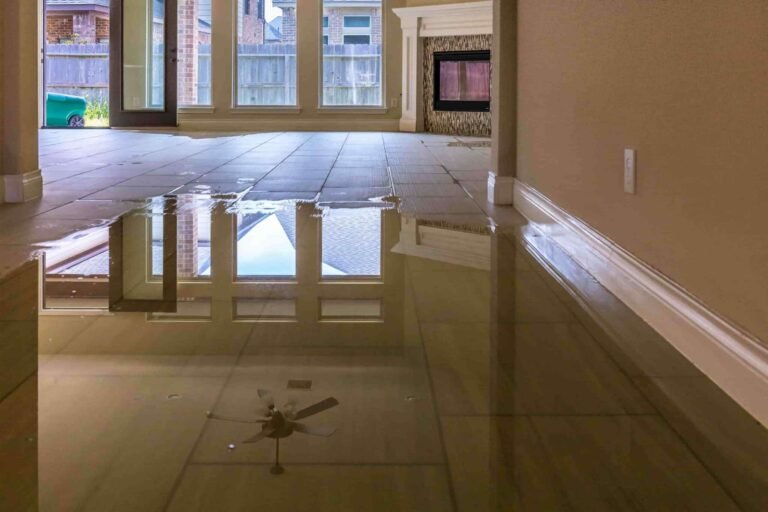
There’s nothing quite as stressful as walking into your home and finding water everywhere. Whether it’s from a burst pipe, a leaking roof, or a sudden flood, water damage is one of those situations every homeowner dreads.
The quicker you act, the more you can reduce damage, costs, and stress. This guide will walk you through what to do immediately after water damage and how to protect your home in the future.
Understanding the Urgency of Water Damage
Why Acting Fast Matters
Water may seem harmless at first, but when it gets into your floors, walls, and furniture, it can cause severe damage in a short time. Within just 24 to 48 hours, mold can begin to grow, and structural materials can start breaking down.
The longer water sits, the more extensive and expensive the damage becomes. Acting quickly is the key to protecting both your home and your health.
The Main Types of Water Damage
Not all water damage situations are the same. Understanding what kind you’re dealing with helps determine how dangerous it is and how it should be handled:
- Clean Water: Comes from sources like broken pipes, rainwater, or overflowing sinks. It’s the least harmful type, but if ignored, it can still lead to mold and structural damage.
- Gray Water: Slightly contaminated, often from dishwashers, washing machines, or sump pump failures. It can contain detergents and small traces of bacteria.
- Black Water: The most dangerous type, usually caused by sewage backups or flooding from natural disasters. It’s contaminated with harmful bacteria and toxins that pose serious health risks.
Common Causes of Water Damage in Homes
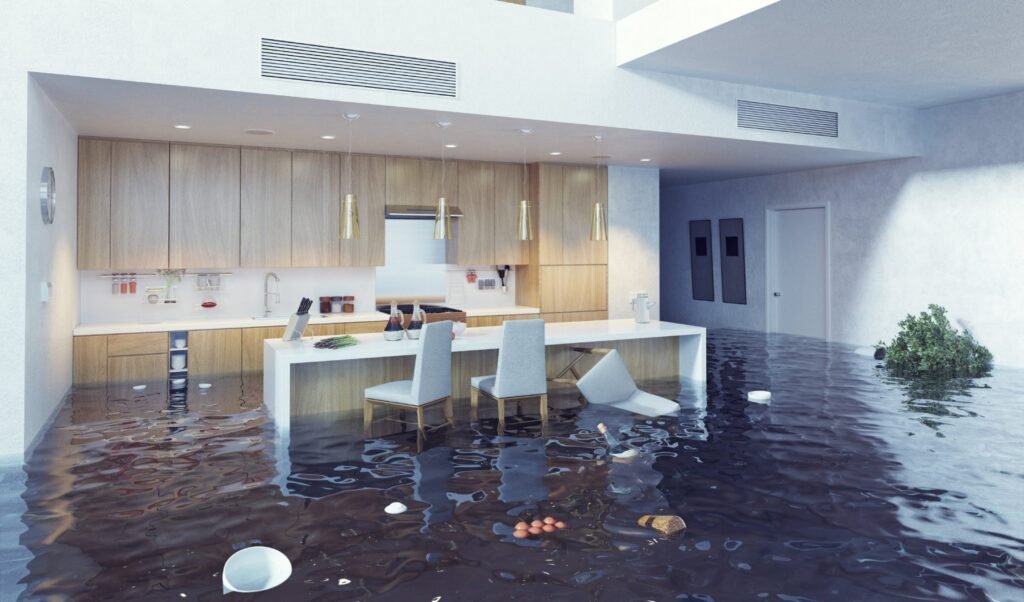
Water damage can happen for many reasons, including:
- Burst or leaking pipes
- Roof leaks during heavy rain
- Overflowing toilets, bathtubs, or sinks
- Faulty or leaking appliances like dishwashers or washing machines
- Basement flooding from poor drainage or storms
- Blocked gutters and downspouts
- Cracked foundation or poor waterproofing
Step-by-Step Actions to Take After Water Damage
Step 1: Prioritize Safety
Before you start cleaning or touching anything, make sure your home is safe.
- Turn Off Electricity: Water conducts electricity, making it extremely dangerous. If it’s safe to do so, switch off the power in the affected area from your breaker box.
- Avoid Structural Hazards: Be cautious of sagging ceilings, soft floors, or cracked walls. These can indicate potential structural instability.
- Wear Protective Gear: Use gloves, waterproof boots, and a mask, especially if the water might be contaminated.
Step 2: Identify and Stop the Source of Water
Find out where the water is coming from. If it’s a leaking or burst pipe, turn off your home’s main water supply immediately. For roof leaks, place buckets or containers under the leak to collect water until professional help arrives.
Step 3: Remove Standing Water
If there’s only a small amount of water, you can use towels, mops, or a wet/dry vacuum to remove it.
For larger floods, you’ll need professional-grade pumps and vacuums to safely extract water. The goal is to remove as much water as possible to prevent mold and rot.
Step 4: Document the Damage
Before moving or throwing anything away, document all damage for insurance purposes. Take clear photos and videos of affected areas, furniture, flooring, and personal items. The more evidence you have, the smoother your insurance claim process will be.
Step 5: Contact Your Insurance Company
Call your insurance provider right away to report the damage. Most policies cover sudden and accidental water damage but not gradual leaks or floods from outside sources. Provide them with photos, videos, and a list of damaged items.
Step 6: Call a Professional Water Damage Restoration Company
Once you’ve taken the initial steps, call professionals like Pro Water Damage Miami. They have the right equipment and expertise to handle water removal, drying, cleaning, and restoration safely and efficiently.
Why Choose Pro Water Damage Miami
24/7 Emergency Response
Pro Water Damage Miami is available day and night to handle emergencies. Their quick response helps minimize structural damage and mold growth.
Advanced Equipment and Expertise
The team uses industrial-strength dryers, moisture meters, and thermal imaging tools to detect hidden water pockets. They ensure every corner of your home is fully dried and disinfected.
Help with Insurance Claims
Navigating insurance paperwork can be overwhelming. Pro Water Damage Miami assists clients with the documentation process and communicates directly with insurance adjusters to make claims easier.
The Dangers of Delaying Cleanup
Delaying water damage cleanup can turn a manageable situation into a major disaster.
Mold Growth Within 24–48 Hours
Mold thrives in damp conditions and spreads quickly, leading to health problems such as allergies and respiratory issues.
Structural Damage
Prolonged exposure to moisture weakens wood, drywall, and insulation. Floors can warp, ceilings can collapse, and foundations can crack.
Health Hazards
Contaminated water can carry bacteria, chemicals, and toxins that are dangerous to touch or inhale. It’s best to leave cleanup to certified professionals.
DIY vs. Professional Restoration
When DIY Might Work
If the water damage is minimal and caused by clean water, you can handle the cleanup yourself using fans, dehumidifiers, and disinfectants.
However, make sure to monitor for any signs of mold in the following days.
Why Hiring Professionals is Safer
Professional water damage technicians know how to:
- Detect hidden moisture inside walls and under floors
- Use drying equipment efficiently
- Sanitize contaminated areas
- Prevent long-term mold and odor issues
DIY cleanup may save money upfront, but missing hidden water can cost much more later in repairs.
How to Prevent Future Water Damage
1. Schedule Regular Plumbing Inspections
A yearly plumbing check can help detect leaks, corrosion, or weak pipes before they burst.
2. Maintain Gutters and Downspouts
Clean gutters prevent water buildup that can seep into your walls or foundation.
3. Inspect Your Roof and Windows
Replace damaged shingles and seal gaps around windows to stop leaks.
4. Install a Sump Pump and Water Sensors
Smart water sensors detect leaks early, and sump pumps help protect basements from flooding during heavy rain.
5. Keep Appliances in Good Condition
Inspect washing machine hoses, water heaters, and dishwashers for leaks or wear.
What to Expect During the Restoration Process
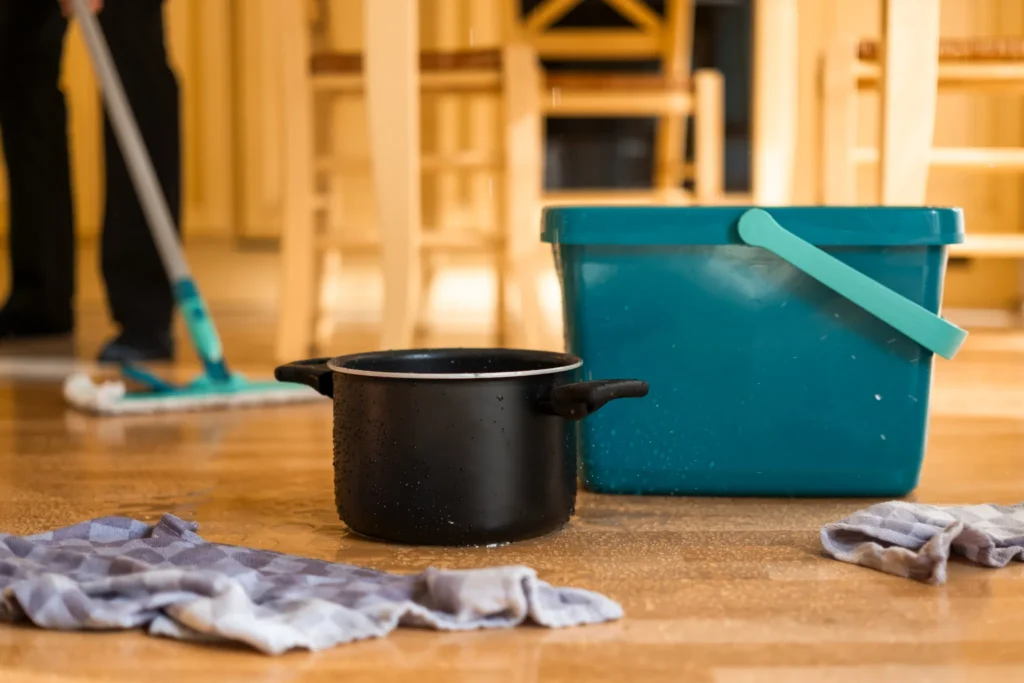
The restoration process typically includes:
- Inspection and Assessment: Technicians evaluate the extent of damage and create a restoration plan.
- Water Removal: Using powerful pumps and vacuums to extract all standing water.
- Drying and Dehumidification: Industrial fans and dehumidifiers remove residual moisture.
- Cleaning and Sanitizing: Surfaces are disinfected to prevent mold and bacteria.
- Restoration and Repairs: Damaged drywall, flooring, and other materials are replaced or repaired.
Depending on the damage, the process may take anywhere from three days to several weeks.
Conclusion
Water damage can be overwhelming, but fast action makes a huge difference. Prioritize safety, identify the source, and document everything for insurance.
Then, call trusted professionals like Pro Water Damage Miami for a full inspection and restoration. With expert help and preventive care, you can restore your home quickly and avoid future disasters.
Your home is more than a building; it’s your safe space. Protect it by staying prepared, acting fast, and relying on experts when disaster strikes.
Frequently Asked Questions
1. How fast can Pro Water Damage Miami respond?
They provide 24/7 emergency response and usually arrive within 60 minutes.
2. Is water damage covered by homeowners insurance?
Most policies cover sudden and accidental leaks but not damage from gradual issues or flooding unless you have flood insurance.
3. Can I stay in my home during restoration?
If the damage is minor and areas are safe, yes. For major damage or mold remediation, temporary relocation is recommended.
4. How long does water damage restoration take?
Typically between 3 days and several weeks, depending on the severity of the damage.
5. What are the warning signs of hidden water damage?
Watch for musty odors, bubbling paint, discoloration on walls, or warped flooring—these could indicate hidden moisture problems.

Christopher Cannon: Damage Restoration Expert
Christopher Cannon is a licensed restoration specialist with more than 20 years of dedicated experience in property mitigation and disaster recovery. Known for his technical precision and authoritative industry knowledge, Christopher has spent two decades helping property owners navigate the aftermath of unforeseen damage.
𝗖𝗲𝗿𝘁𝗶𝗳𝗶𝗰𝗮𝘁𝗶𝗼𝗻𝘀: Christopher maintains a robust portfolio of IICRC certifications, including Water Damage Restoration (WRT), Mold Remediation, Applied Structural Drying (ASD), Odor Control, and Fire and Smoke Restoration. These credentials reflect his commitment to the highest safety and restoration standards.
𝗕𝗲𝘀𝘁 𝗣𝗮𝗿𝘁 𝗼𝗳 𝘁𝗵𝗲 𝗝𝗼𝗯: He finds the greatest satisfaction in being the “calm during the storm,” helping families feel secure as they watch their property return to a safe, healthy state.
𝗙𝗮𝘃𝗼𝗿𝗶𝘁𝗲 𝗣𝗮𝘀𝘁𝗶𝗺𝗲: An avid outdoorsman, Christopher enjoys mountain biking and spending quality time with his family.