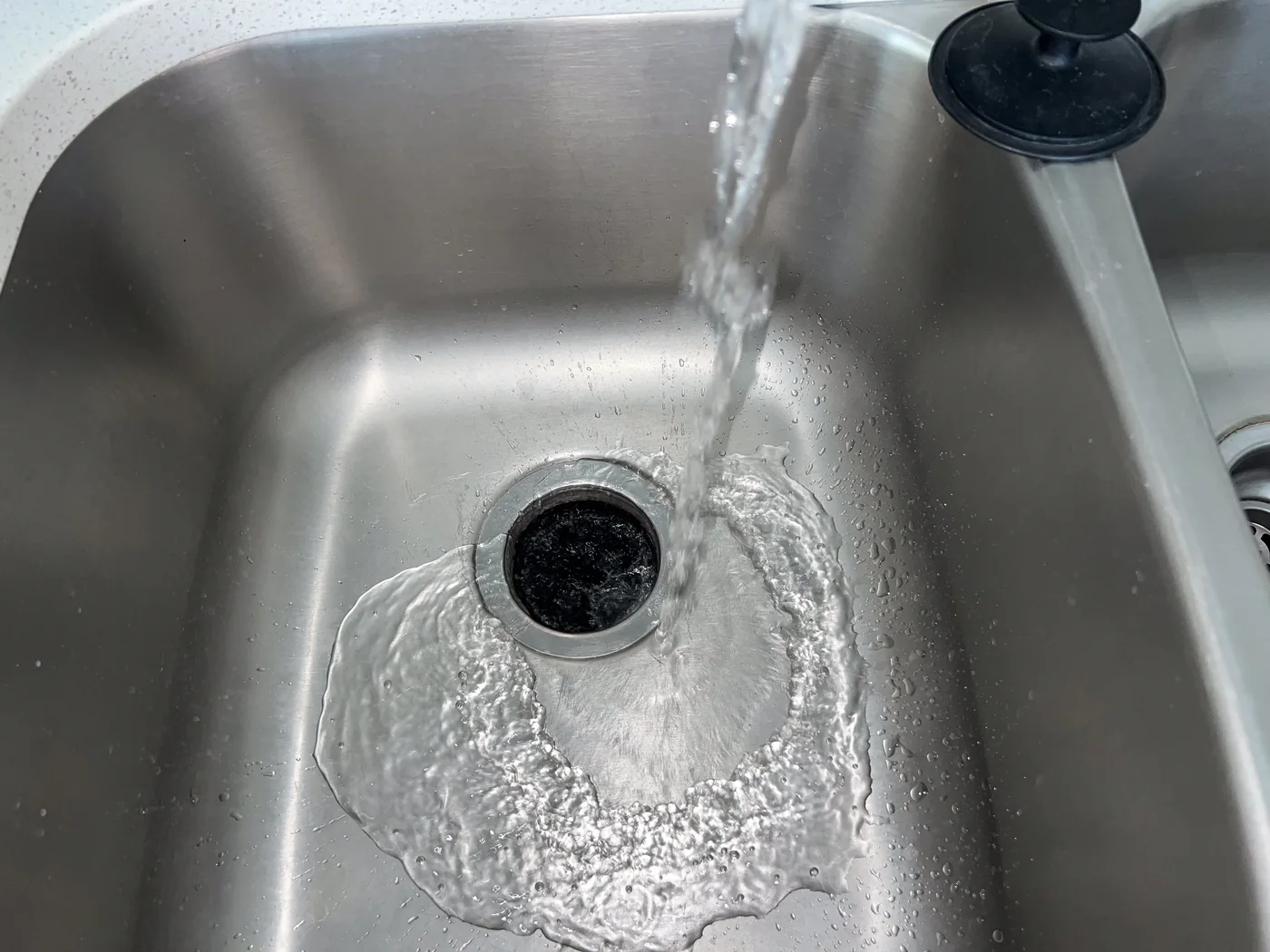
A dripping faucet or leaking fixture seems minor until the water quietly soaks the cabinet and slab beneath it. In Miami homes, local crews dry the hidden damage and check for the mold that the humidity encourages under vanities and sinks.

A technician traces the leak to the faucet base, supply valve, or fixture connection and shuts the local valve to stop the source before drying.
The cabinet interior, baseboard, and wall behind the fixture are metered to map how far water has traveled from the slow leak.
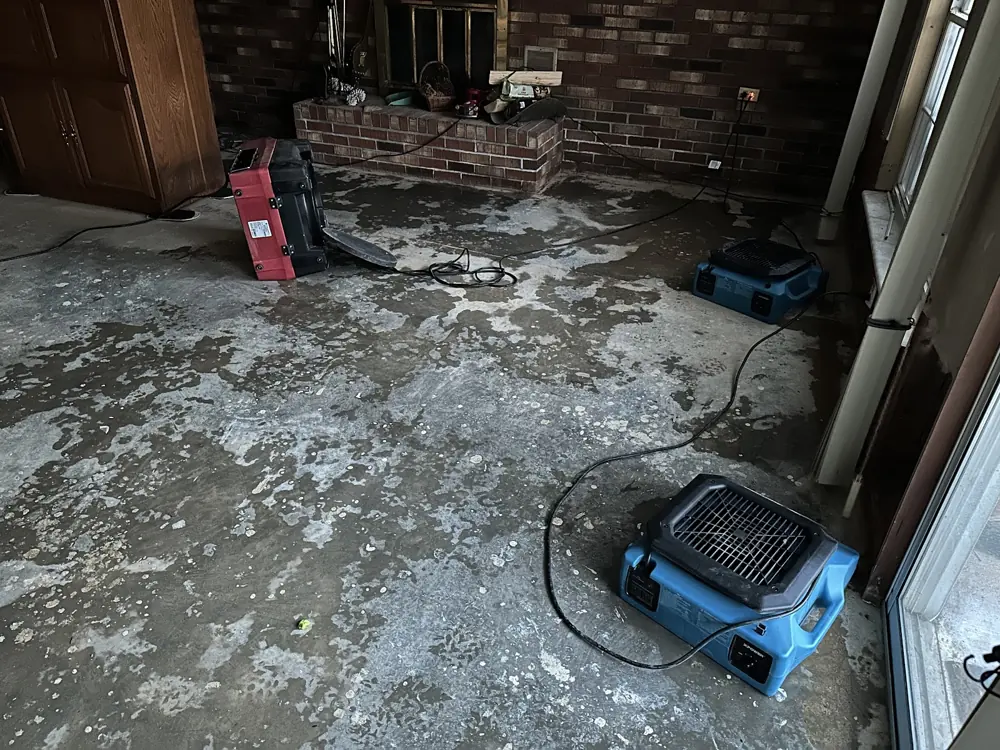
Compact air movers and a dehumidifier dry the cabinet base, slab edge, and wall cavity, with a small opening made only where moisture has climbed the wall.
Moisture readings confirm the area reaches a dry target, and photos plus notes are logged for any insurance claim.

While help is on the way, these first steps, done only where it is safe, limit the damage and protect the insurance claim.
Shut the supply off at the source, or close the home's main valve if the source is not obvious. Stopping the flow limits the damage more than anything else.
Switch off electricity to the affected area, but only if the breaker can be reached without standing in or touching the water.
Get a crew dispatched right away. The sooner extraction and drying begin, the more flooring, drywall, and belongings can be saved.
Take photos and a short video of the water and the affected rooms before anything is moved, so the insurance claim starts strong.
Cleanup and drying after a faucet or fixture leak in Miami commonly runs from about $400 to $2,200, depending on how long the leak went unnoticed and whether it reached the cabinet, slab, or wall. A quickly caught drip sits at the low end, while a slow leak that swelled a vanity and grew mold runs higher. Because these leaks are gradual, the source and duration are documented carefully, since long-term seepage may affect insurance coverage.
Crews reach Miami and Miami-Dade County fast, from Brickell, Little Havana, and Overtown to Coral Gables, Coconut Grove, Miami Beach, Key Biscayne, and Hialeah. See the full list on the areas served across Miami page.
See all areas servedEvery loss is photographed, measured, and logged from the first visit, so the paperwork holds up with the insurance carrier.
Technicians follow recognized IICRC drying standards and prove it with daily moisture readings on Miami homes, not guesswork.
Emergency dispatch any hour of the day or night, with a real crew on the way across Miami-Dade County, not a callback in the morning.
A real crew dispatched any hour, not a callback in the morning.
Trained technicians following recognized IICRC drying standards.
Truck-mounted, portable, and submersible for any size loss.
The loss is documented and billed to the carrier directly.
Because the visible drip is usually the least of it. Water runs down into the cabinet and slab where you cannot see it, and Miami's humidity keeps it from drying. Over a few weeks that hidden moisture swells cabinets and grows mold against the wall.
By metering the cabinet interior, baseboard, and wall behind the fixture. Moisture meters reveal where water has traveled even when the surface looks dry, which shows how far the drying equipment needs to reach.
Sometimes. If the leak is caught before the particleboard fully delaminates, prompt drying can save the cabinet base. Badly swollen or crumbling cabinets may need replacement, but drying still protects the surrounding wall and slab.
It depends. Many policies cover sudden damage but exclude long-term seepage that a homeowner could have caught, so slow leaks are documented carefully. The source and likely duration are recorded from the start so you can present the facts to your carrier.
The plumbing repair is handled by a qualified plumber, coordinated with the drying work. Crews stop the source at the valve, dry the hidden damage, and leave the area ready for the fixture repair or replacement.
Miami crews are on call 24 hours a day, local and fast, and can be on the way within the hour.
Call (786) 460-9287