Getting standing water out fast is the first and most important step in any Miami water loss. Local crews arrive around the clock with truck-mounted and portable units to extract, then dry before the humidity breeds mold.

A crew responds day or night, checks for electrical and structural hazards, and identifies the water category before beginning extraction.
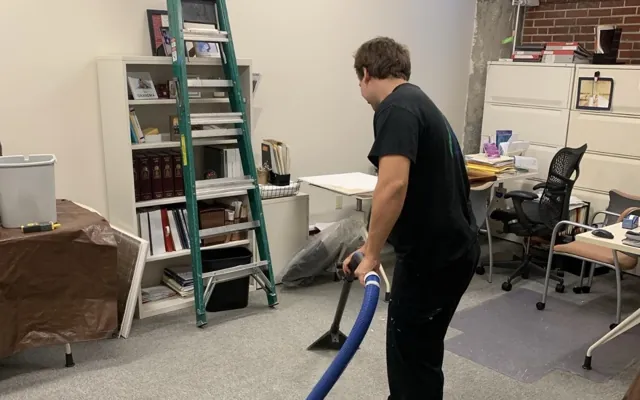
Truck-mounted units clear large volumes fast, while portable extractors reach closets, cabinets, and tight spaces so no standing water is left behind.
Meters and, where useful, thermal imaging map how far the water traveled into walls, slab, and flooring to guide the drying setup.
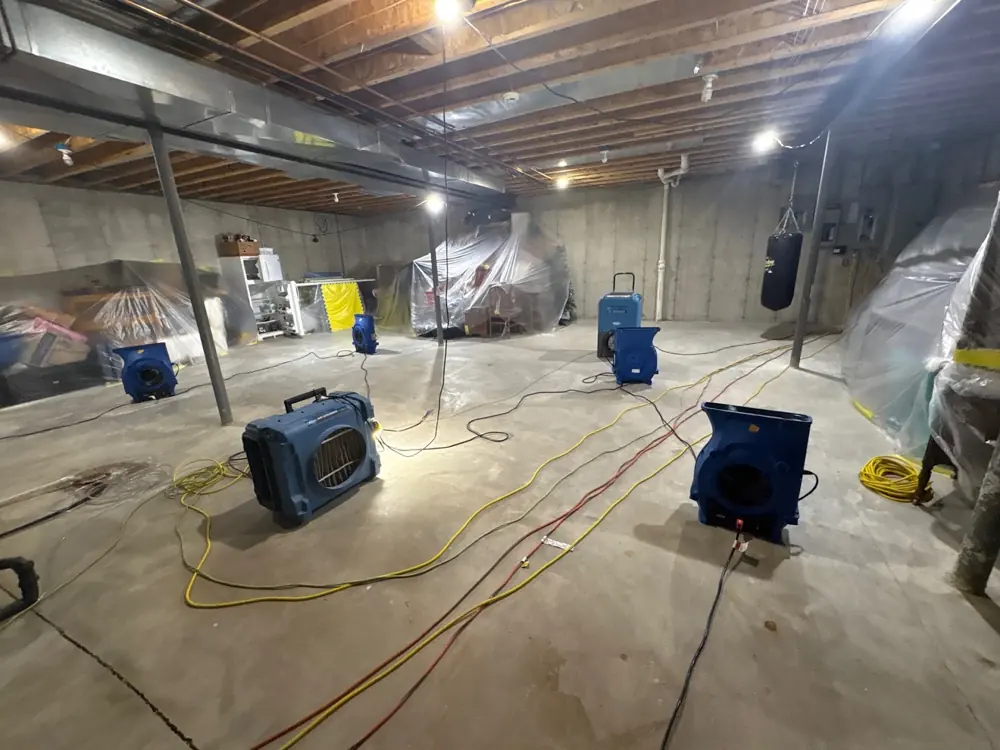
Air movers and dehumidifiers are staged against a moisture target, with photos and readings logged for the insurance claim.

While help is on the way, these first steps, done only where it is safe, limit the damage and protect the insurance claim.
Shut the supply off at the source, or close the home's main valve if the source is not obvious. Stopping the flow limits the damage more than anything else.
Switch off electricity to the affected area, but only if the breaker can be reached without standing in or touching the water.
Get a crew dispatched right away. The sooner extraction and drying begin, the more flooring, drywall, and belongings can be saved.
Take photos and a short video of the water and the affected rooms before anything is moved, so the insurance claim starts strong.
Water extraction in Miami commonly runs from about $500 to $4,000 as the emergency first step, depending on the volume of water, the size of the affected area, and whether the water was clean or contaminated. A single flooded room sits at the low end, while a large or multi-room event runs higher. Extraction is usually billed alongside the structural drying that follows, and the volume and water category are documented from the first visit for the claim.
Crews reach Miami and Miami-Dade County fast, from Brickell, Little Havana, and Overtown to Coral Gables, Coconut Grove, Miami Beach, Key Biscayne, and Hialeah. See the full list on the areas served across Miami page.
See all areas servedEvery loss is photographed, measured, and logged from the first visit, so the paperwork holds up with the insurance carrier.
Technicians follow recognized IICRC drying standards and prove it with daily moisture readings on Miami homes, not guesswork.
Emergency dispatch any hour of the day or night, with a real crew on the way across Miami-Dade County, not a callback in the morning.
A real crew dispatched any hour, not a callback in the morning.
Trained technicians following recognized IICRC drying standards.
Truck-mounted, portable, and submersible for any size loss.
The loss is documented and billed to the carrier directly.
Because standing water spreads and the climate is unforgiving. Every hour, water wicks farther into the slab, walls, and cabinets, and Miami's heat and humidity can start mold within a day or two. Quick extraction limits how much of the home is affected and how much has to be rebuilt.
No. Extraction removes the standing and absorbed water first, and drying comes next to pull the remaining moisture out of the slab, framing, and finishes. Extraction alone leaves materials damp, so it always transitions into structural drying with air movers and dehumidifiers.
Yes. Contaminated water from a storm, sewer backup, or tidal flood is extracted with proper protection, and the affected porous materials are then removed and the surfaces sanitized. The water category is assessed first so the right process is used from the start.
Crews respond around the clock, since water damage does not wait for business hours and fast extraction is what limits the loss. The goal is to reach the property, assess hazards, and begin removing standing water as soon as possible.
As the emergency mitigation step in a covered water loss, extraction is generally part of the claim. The volume, water category, and source are documented with photos and readings from the first visit so the carrier has a clear record of the mitigation performed.
Miami crews are on call 24 hours a day, local and fast, and can be on the way within the hour.
Call (786) 460-9287