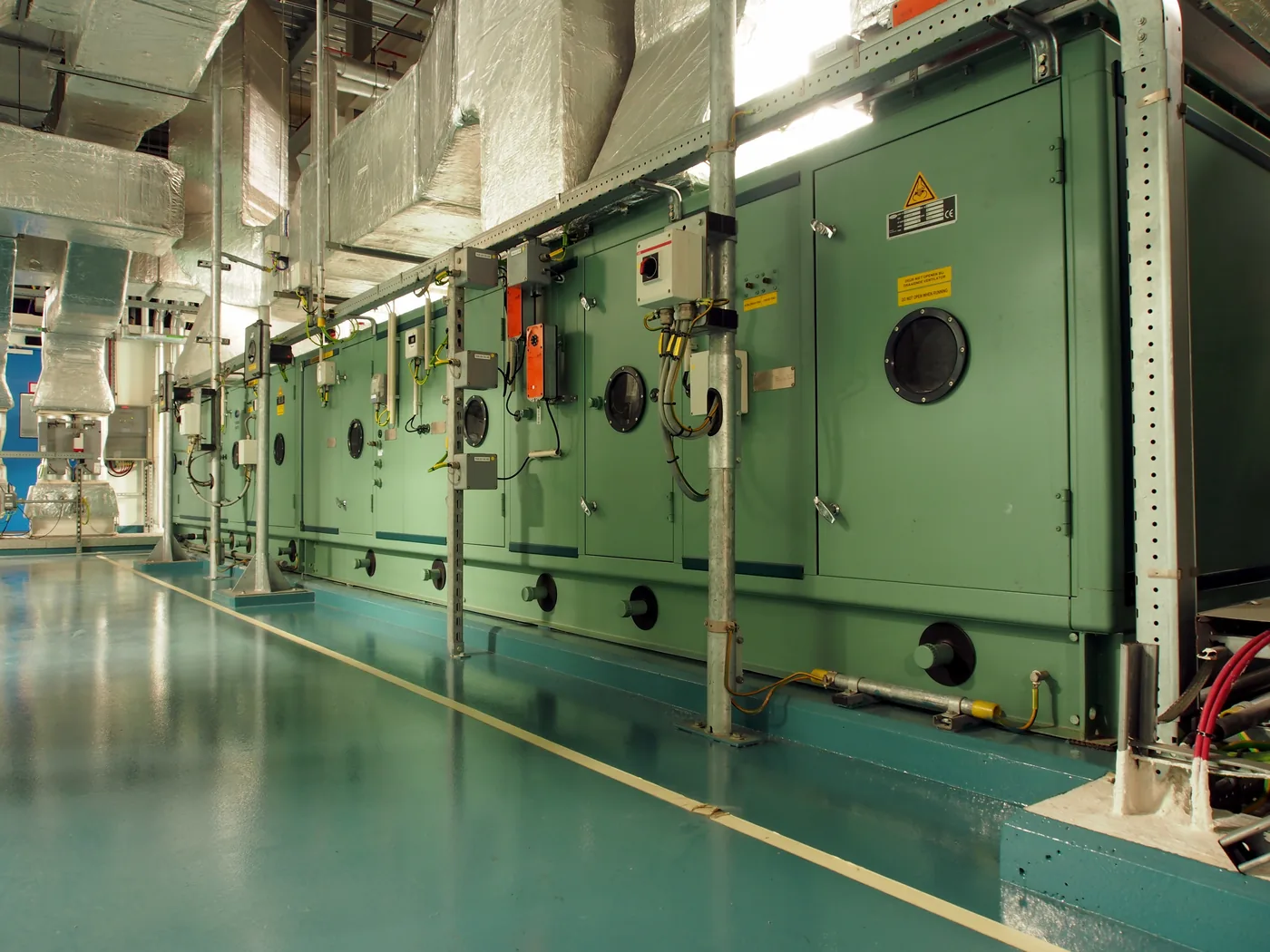
Miami air conditioners run nearly year round, and a clogged condensate line or overflowing drain pan quietly soaks the space around the unit. Local crews find the overflow, dry the ceiling or closet, and stop the mold before it spreads.

A technician confirms the overflow is from a clogged condensate line or failed pan, shuts the system to stop the flow, and checks for wet electrical near the air handler.
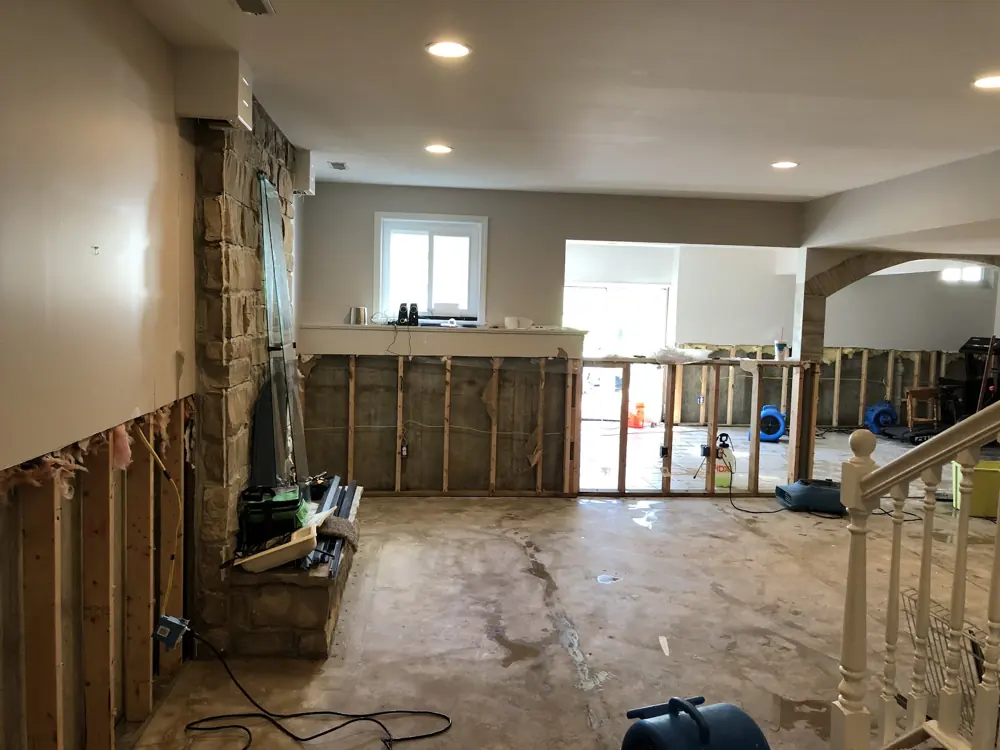
Water is extracted from the ceiling, closet, or slab around the unit, and wet insulation or ceiling drywall is opened where it holds moisture.
Air movers and a dehumidifier dry the framing, drywall, and slab to a verified target while a qualified HVAC contractor clears the line and pan.
Moisture readings confirm the area reaches a dry standard, and photos plus notes are logged for the insurance claim.

While help is on the way, these first steps, done only where it is safe, limit the damage and protect the insurance claim.
Shut the supply off at the source, or close the home's main valve if the source is not obvious. Stopping the flow limits the damage more than anything else.
Switch off electricity to the affected area, but only if the breaker can be reached without standing in or touching the water.
Get a crew dispatched right away. The sooner extraction and drying begin, the more flooring, drywall, and belongings can be saved.
Take photos and a short video of the water and the affected rooms before anything is moved, so the insurance claim starts strong.
HVAC condensation cleanup in Miami commonly runs from about $700 to $3,500, depending on where the unit sits, how long the overflow ran, and whether ceiling drywall or insulation had to be removed. A closet unit caught early sits low, while an attic air handler that soaked the ceiling below runs higher. Because a slow condensate overflow can be seen as a maintenance issue, the cause and timing are documented from the first visit to support the insurance claim.
Crews reach Miami and Miami-Dade County fast, from Brickell, Little Havana, and Overtown to Coral Gables, Coconut Grove, Miami Beach, Key Biscayne, and Hialeah. See the full list on the areas served across Miami page.
See all areas servedEvery loss is photographed, measured, and logged from the first visit, so the paperwork holds up with the insurance carrier.
Technicians follow recognized IICRC drying standards and prove it with daily moisture readings on Miami homes, not guesswork.
Emergency dispatch any hour of the day or night, with a real crew on the way across Miami-Dade County, not a callback in the morning.
A real crew dispatched any hour, not a callback in the morning.
Trained technicians following recognized IICRC drying standards.
Truck-mounted, portable, and submersible for any size loss.
The loss is documented and billed to the carrier directly.
Because the units run nearly year round in a warm, humid climate, algae and slime build up inside the small condensate line quickly. Once that line blocks, the water backs up and overflows the drain pan, which is one of the most common sources of indoor water damage here.
Common signs are a ceiling stain directly below an attic unit, water pooling around a closet or garage air handler, or the system shutting off if it has a float switch. A musty smell near the unit is another clue that a slow overflow has been soaking the surrounding materials.
Routine maintenance helps a great deal. Having the condensate line cleared regularly, keeping the drain pan sound, and installing a float switch that shuts the system off on a backup all reduce the risk. In this climate the line should be checked more often than in drier regions.
It can be, though a slow overflow is sometimes viewed as a maintenance issue rather than a sudden event. The cause, timing, and extent are documented from the start so you can present the facts, and a float switch or float failure is noted where relevant.
A qualified HVAC contractor clears the condensate line, replaces a failed pan, and addresses any float switch. Crews handle the water side, drying the ceiling, closet, or slab so the space is sound while the mechanical fix is made.
Miami crews are on call 24 hours a day, local and fast, and can be on the way within the hour.
Call (786) 460-9287