A slow overflow from a Miami Beach, FL AC unit can soak ceilings and walls fast. Local crews respond quickly to shut down the source, remove water, and dry the area using IICRC-standard methods, helping residents on the island manage the damage.

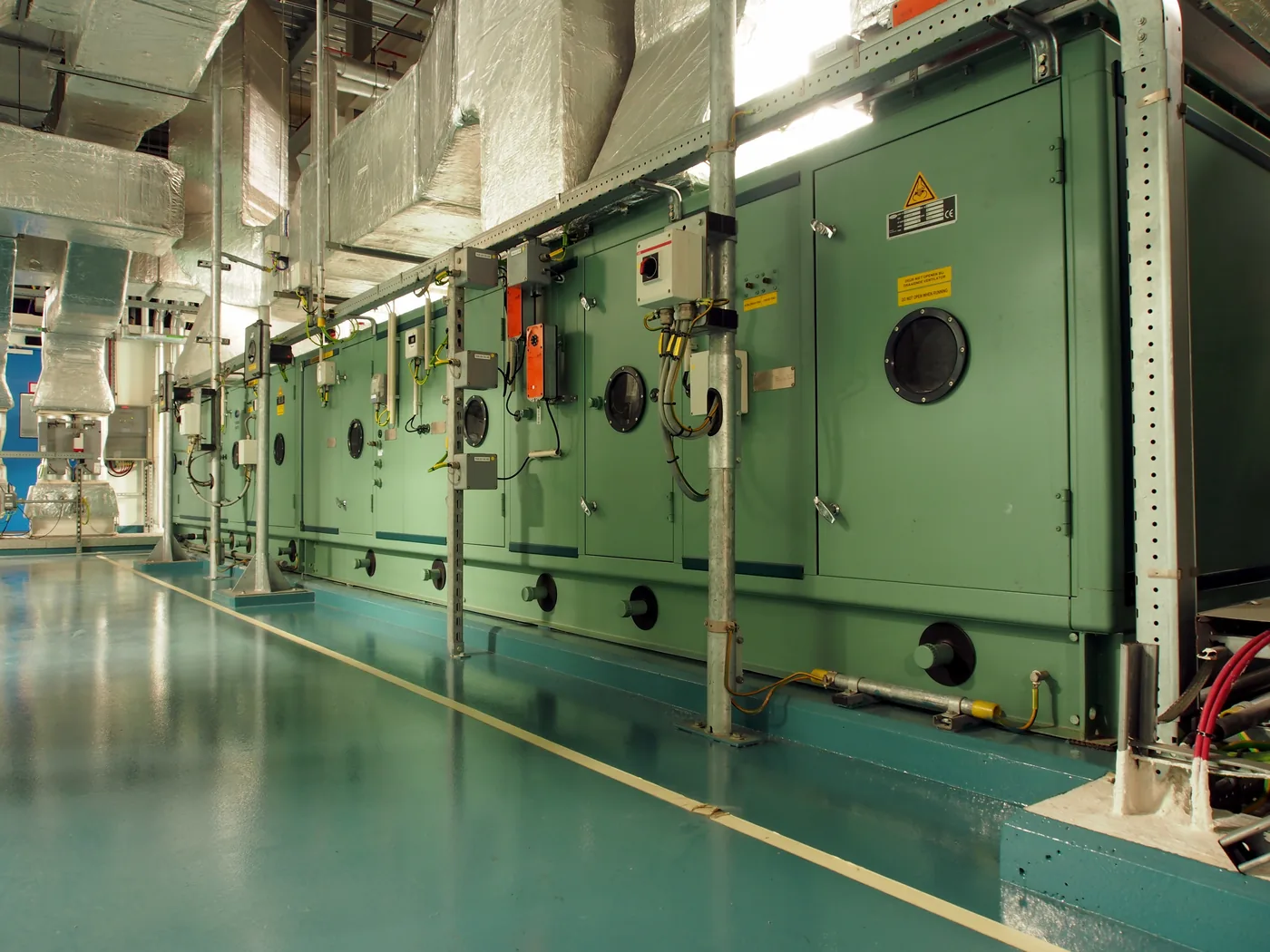
A technician traces the water to the air handler's clogged drain pan or line, checks for any wet electrical components in the closet or utility room, and safely shuts down the HVAC system to stop the flow.
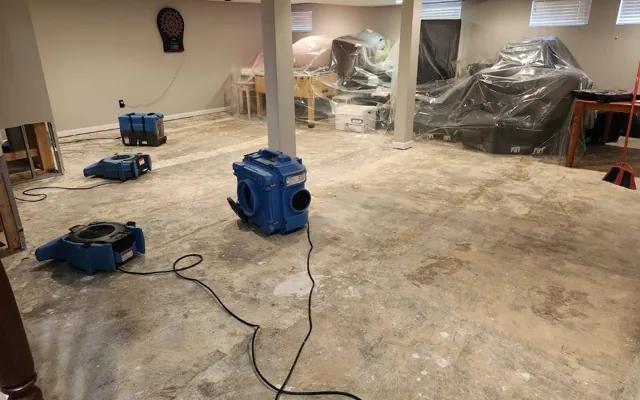
The crew extracts water from the slab, closet, or ceiling cavity. If the ceiling drywall or insulation is soaked, they open it up to allow proper air circulation and prevent mold in the humid Miami Beach climate.
Industrial air movers and dehumidifiers dry the framing and slab. A separate HVAC contractor clears the line. The restoration team takes moisture readings to verify everything meets the dry standard before closing the job.

HVAC condensation cleanup in Miami Beach commonly runs from about $700 to $3,500, depending on where the unit sits, how long the overflow ran, and whether ceiling drywall or insulation had to be removed. A closet unit caught early sits low, while an attic air handler that soaked the ceiling below runs higher. Because a slow condensate overflow can be seen as a maintenance issue, the cause and timing are documented from the first visit to support the insurance claim.
In Miami Beach, FL, dense condos and hotels with rooftop or closet air handlers are vulnerable. A clogged condensate drain line on a humid day can send water into ceilings and walls, especially in low elevation buildings where moisture lingers. This is a frequent call for restoration teams on the barrier island. Miami Beach's humid, salt air accelerates corrosion and algae growth in condensate lines. Combined with the area's very high water table and frequent king tides, drainage issues are common, making AC overflow a regular problem in the island's multi story buildings. From Miami Beach, crews also cover nearby Coconut Grove, Little Haiti, Coral Gables, Upper Eastside, North Bay Village, Liberty City. See every neighborhood and town on the full service area page.
See all areas servedEvery loss is photographed, measured, and logged from the first visit, so the paperwork holds up with the insurance carrier.
Technicians follow recognized IICRC drying standards and prove it with daily moisture readings on Miami Beach homes, not guesswork.
Emergency dispatch any hour of the day or night, with a real crew on the way across Miami-Dade County, not a callback in the morning.
A real crew dispatched any hour, not a callback in the morning.
Trained technicians following recognized IICRC drying standards.
Truck-mounted, portable, and submersible for any size loss.
The loss is documented and billed to the carrier directly.
It often does if the overflow is sudden and accidental. Slow leaks from maintenance issues may not be covered. Local crews document the source and extent from the first visit, which is critical for supporting a claim in Miami Beach, FL.
In Miami Beach's humid climate, drying typically takes 3 to 5 days. The crew monitors moisture levels daily. The timeline depends on how much water was absorbed by materials like drywall or insulation in the affected ceiling or wall cavity.
Crews are on call 24 hours a day and can be on the way to Miami Beach within the hour.
Call (786) 460-9287